Eight ages
From the Ancient Age to the Information Age
Every nation starts as a few citizens round a city and climbs through the ages by gathering food, timber, metal, oil, wealth and knowledge. Each new age brings new soldiers, ships, buildings and wonders. A game can also start in a later age.
Ancient Age
Hoplites, bowmen and horse raiders; triremes on the water. Wonders: the Pyramids and the Colossus.
Classical Age
Phalanxes, archers, cataphracts and catapults; galleys and dromons; generals and scholars. Build a Senate and choose your first government. Wonders: the Great Library and the Colosseum.
Medieval Age
Knights, pikemen, crossbowmen and trebuchets; carracks; spies and supply wagons. Wonders: the Forbidden City and the Porcelain Tower.
Gunpowder Age
Arquebusiers, cuirassiers, hussars and bombards; caravels and the first frigates. A second choice of government. Wonder: Angkor Wat.
Enlightenment Age
Musketeers who fire by volleys and charge with the bayonet, lancers and cannon; men-of-war and bomb vessels. Wonders: Versailles and the Taj Mahal.
Industrial Age
Riflemen, machine gunners and field guns; ironclads, dreadnoughts, destroyers and submarines; the first biplanes. A third choice of government. Wonders: the Statue of Liberty and the Eiffel Tower.
Modern Age
Tanks, bazookas and artillery; battleships and aircraft carriers; bombers; missile silos and nuclear missiles. Wonder: the Supercollider.
Information Age
Main battle tanks, mechanized infantry and rocket artillery; jet fighters and stealth bombers; missile cruisers and attack submarines; cruise missiles, ICBMs and missile interceptors. Wonder: the Space Program.
32 nations
Every nation is different
Each nation has a national power that shapes how it plays, and unique units that take the place of an ordinary one, dressed as that nation’s soldiers were.
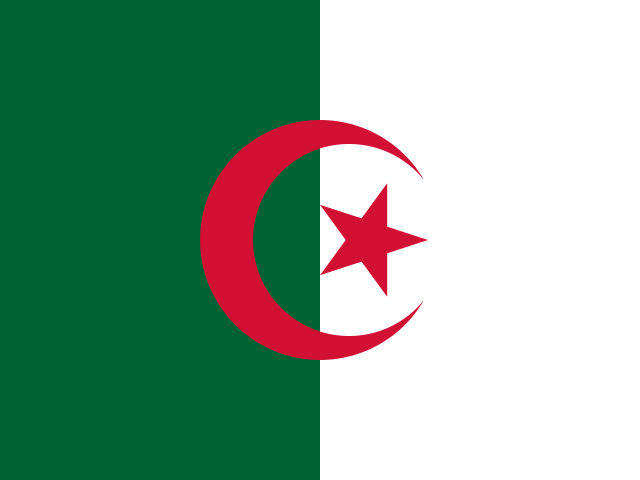
Algerians
Power of the Corsairs
Ships 15% faster, gain 8 wealth for every enemy unit killed, stronger attrition against invaders.
- Xebec Fast lateen-rigged corsair ships of Algiers.
- Moudjahid Guerrilla fighters, hard to pin down.
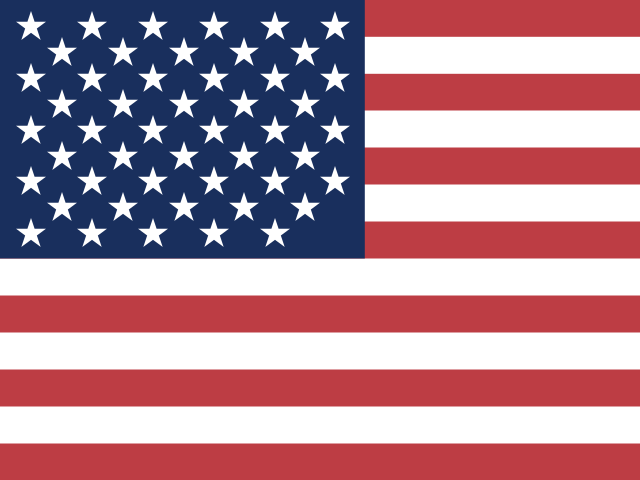
Americans
Power of Enterprise
+20% wealth, factory and airport units 15% cheaper, +10% caravan income.
- Marine Elite amphibious infantry.
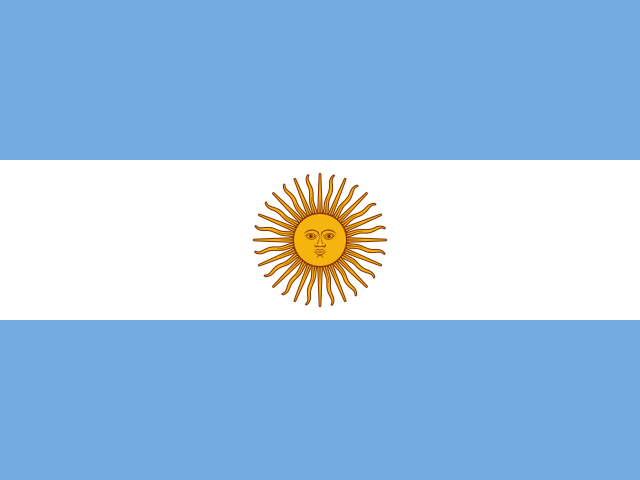
Argentineans
Power of the Pampas
+15% food, cavalry train 30% faster, cavalry +10% attack.
- Gaucho Pampas horsemen, fast and hard to catch.
- Granadero a Caballo San Martin's mounted grenadiers.
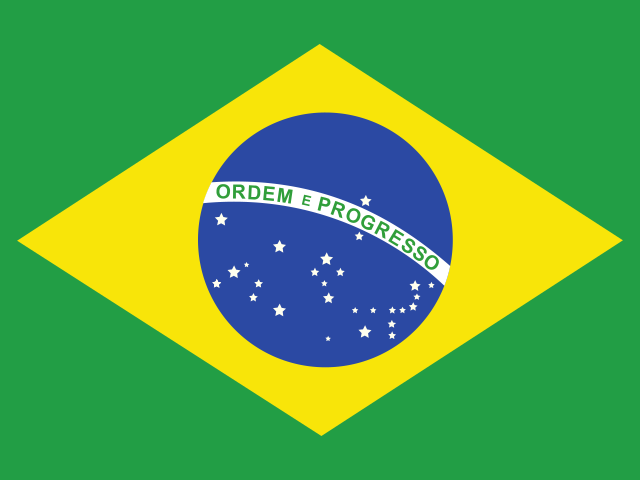
Brazilians
Power of the Amazon
+10% timber, +10% food, +1 territory radius.
- Bandeirante Frontier gunmen, quick through the bush.
- Minas Geraes Brazil's dreadnought, among the mightiest warships of its day.
British
Power of Empire
Ships +25% hit points, dock units 20% cheaper, archers +1 range.
- Longbowman English longbowmen with extended range.
- Yeoman Archer Veteran longbowmen.
- Redcoat Disciplined line infantry.
Canadians
Power of the Great North
+2 territory radius, cities 20% cheaper, +10% timber.
- Mountie Red-coated riders who police the frontier.
- Avro Arrow Canada's legendary supersonic interceptor.
Chinese
Power of Civilization
Citizens train twice as fast, +25% build speed.
- Chu Ko Nu Repeating crossbowmen with a rapid rate of fire.

Colombians
Power of El Dorado
Rare resources produce double bonuses, +25% wealth, +10% food.
- Guecha Warrior Muisca warriors of the Andean highlands.
- Llanero Lancers of the plains who rode with Bolivar.
Egyptians
Power of the Nile
+2 farms per city, +15% food, wonders 25% cheaper.
- War Chariot Egyptian chariots, sturdier than horse raiders.
- Heavy Chariot Upgraded Egyptian war chariots.
French
Power of Revolution
+20% timber, generals and supply wagons 50% cheaper, cavalry +10% hit points.
- Gendarme French heavy lancers.
- Garde Cuirassier Imperial guard heavy cavalry.

Germans
Power of Industry
Citizens 30% cheaper, +15% metal and oil, factory units 15% cheaper.
- Landsknecht Mercenary pikemen with great two-handed swords.
- Panzer Fast, well-armored German tanks.
- Leopard Modern German main battle tank.
Greeks
Power of Philosophy
Library research 25% cheaper, +10% knowledge.
- Hypaspist Elite Greek shield-bearers.
- Companion Cavalry Alexander's elite heavy horse.
Indians
Power of Multitudes
+25 population cap, citizens 15% cheaper, +10% food.
- Gajasena Armored Indian war elephants, slow but nearly unstoppable.
- Sepoy Drilled Indian infantry, hardy in massed ranks.

Indonesians
Power of the Spice Islands
Dock units 15% cheaper, +30% wealth, +10% food.
- Kris Warrior Javanese swordsmen with the wavy-bladed kris.
- Jong Huge ocean-going junks of the Javanese fleets.
Iranians
Power of Satrapy
+1 city limit, rare resources produce double bonuses, +10% wealth.
- Immortal The Persian royal guard.
- War Elephant Massive armored elephants.
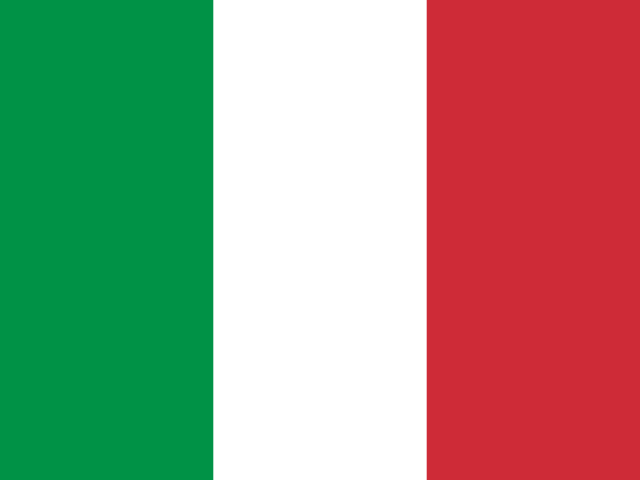
Italians
Power of Law
+1 city limit, barracks units 10% cheaper, forts and cities 25% cheaper.
- Legion Roman heavy infantry, tough and effective against buildings.
- Imperial Legion Veteran Roman legionaries.
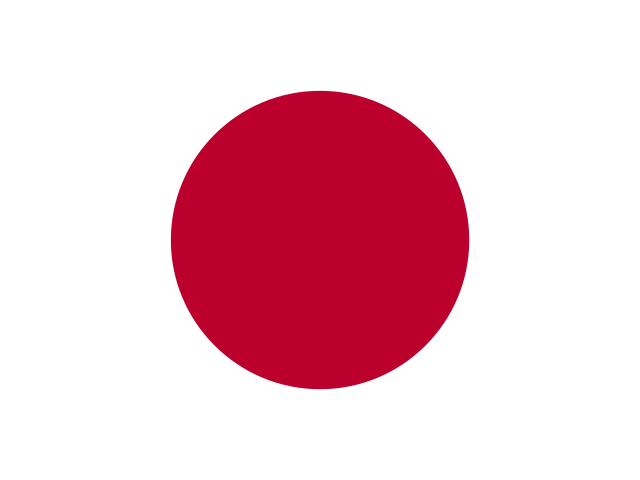
Japanese
Power of Bushido
Infantry +15% hit points, barracks units 10% cheaper.
- Samurai Warrior elite, excellent against other infantry.
- Daimyo Samurai Veteran samurai.
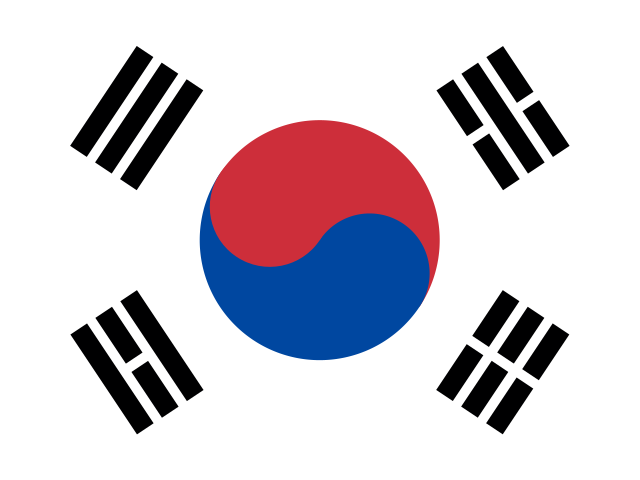
Koreans
Power of Bravery
Buildings +20% hit points, towers and cities +30% attack.
- Hwarang Korean elite archers.
- Turtle Ship Armored Korean warship.
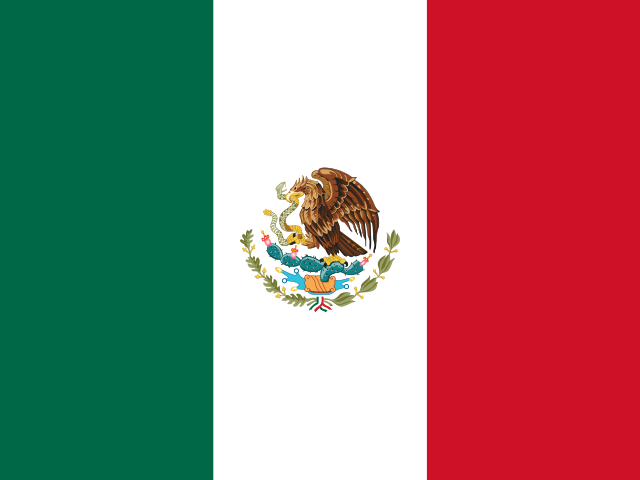
Mexicans
Power of Sacrifice
Gain 12 wealth for every enemy unit killed, infantry +10% attack.
- Jaguar Warrior Aztec elite warriors, ferocious against infantry.
- Eagle Warrior Swift Aztec elite warriors.

Mongolians
Power of the Horde
Cavalry 15% faster and 15% cheaper, +3 cavalry line of sight.
- Keshik Mongol raiders, deadly against buildings.
- Mangudai Elite Mongol horsemen.
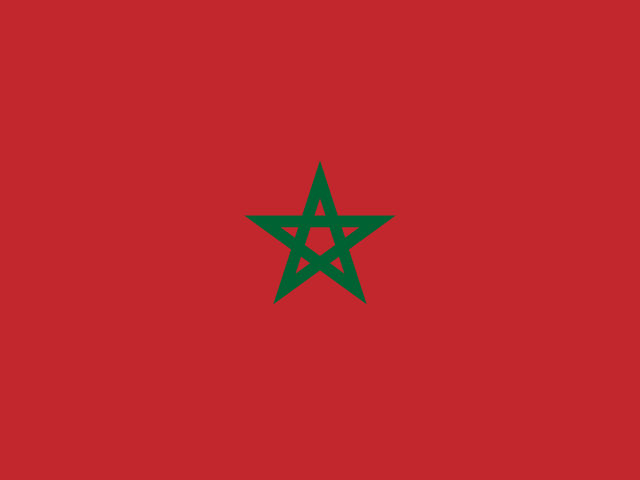
Moroccans
Power of the Crossroads
+25% caravan income, merchants and caravans 25% cheaper, Commerce research 25% cheaper.
- Almoravid Veiled Berber spearmen who broke cavalry charges.
- Goumier Atlas mountain infantry, swift over any ground.

Nigerians
Power of the Giant
Citizens train 40% faster, +10% food, +25% oil.
- Benin Warrior Shielded swordsmen of the Kingdom of Benin.
- Fulani Horseman Cavalry of the savanna kingdoms.
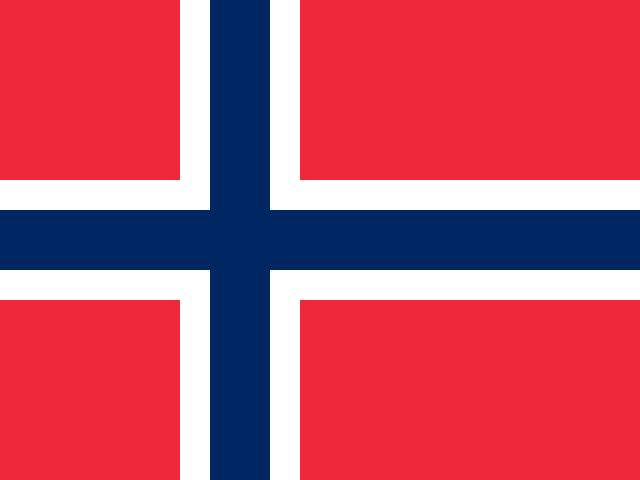
Norwegians
Power of the Norsemen
Ships +10% attack, +25% oil, +10% timber.
- Berserker Frenzied Norse warriors, ferocious in the attack.
- Longship Viking raiders that strike from the sea.
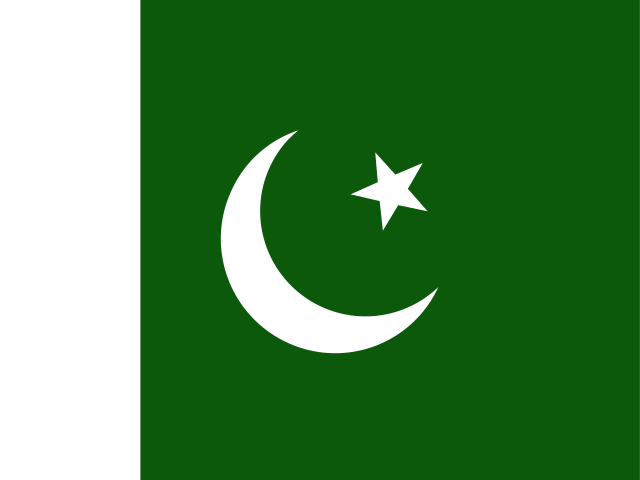
Pakistanis
Power of the Frontier
Forts and towers 30% cheaper, towers, forts and cities +20% attack, infantry +10% hit points.
- Jezailchi Frontier marksmen with long-barrelled jezails.
- Al-Khalid Pakistan's own main battle tank.
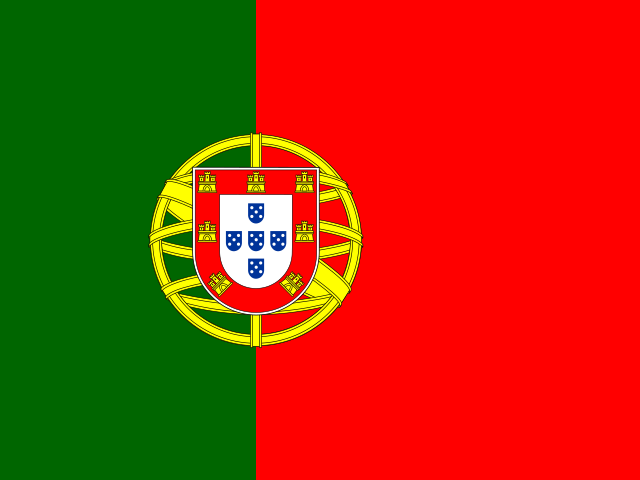
Portuguese
Power of Exploration
Ships +3 line of sight and 10% faster, economy research 25% cheaper.
- Nau Ocean-going carracks built for the long voyage.
- Caravela The swift caravel that opened the seas, with a keen lookout.
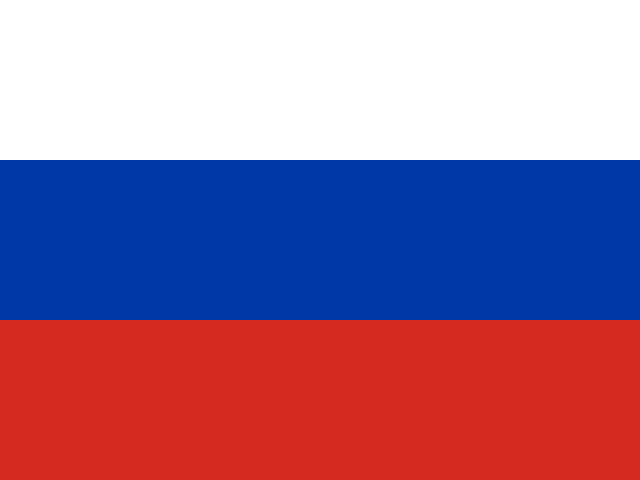
Russians
Power of the Motherland
Attrition against invaders doubled, +1 territory radius, citizens +20% hit points.
- Cossack Hardy Russian light cavalry.
- Don Cossack Veteran Cossack riders.
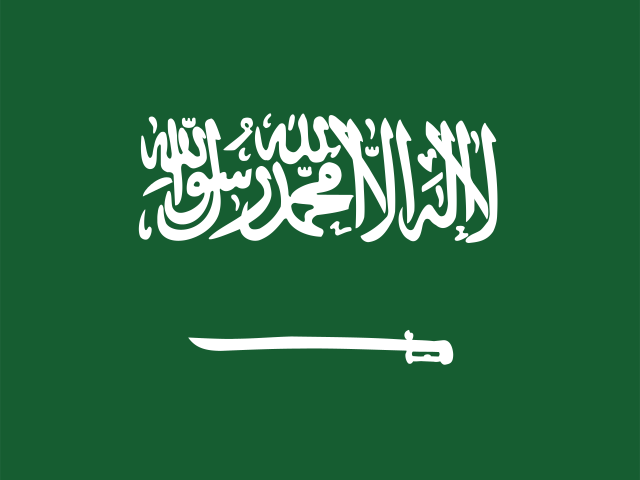
Saudi Arabians
Power of Black Gold
+30% oil, +10 wealth per minute for every city, religious research half price.
- Bedouin Raider Camel-borne raiders of the desert, sturdy and tireless.
- Camel Gunner Camel riders who fire from the saddle.
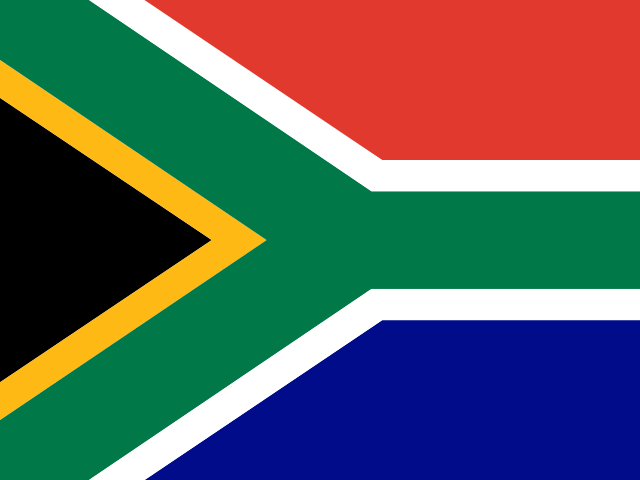
South Africans
Power of Gold
+25% metal, +25% wealth, +10 wealth per minute for every city.
- Impi Zulu regiments: fast-running warriors with short stabbing spears.
- Boer Commando Boer marksmen with long-range rifles.
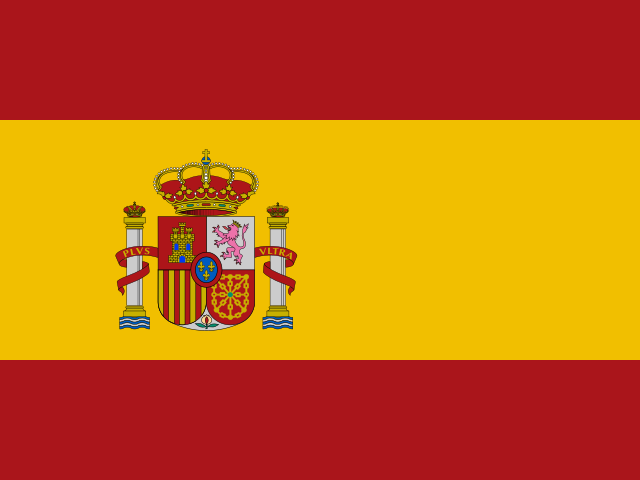
Spanish
Power of Discovery
+2 line of sight for all units, +15% wealth, scouts 50% cheaper.
- Conquistador Mounted gunmen who fire from the saddle.

Thai
Power of the White Elephant
+15% food, buildings +15% hit points, heavy cavalry 15% cheaper.
- Krabi Krabong Siamese swordsmen trained in the twin-sword art.
- Chang Suek Siamese war elephants with archers in the howdah.
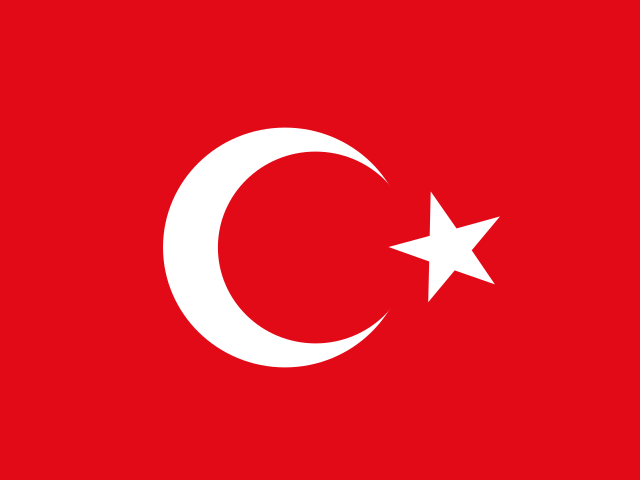
Turks
Power of Artillery
Siege +2 range and +20% attack, siege units 20% cheaper.
- Janissary Elite Ottoman musketeers.
- Nizam-i Cedid Reformed Ottoman line infantry.
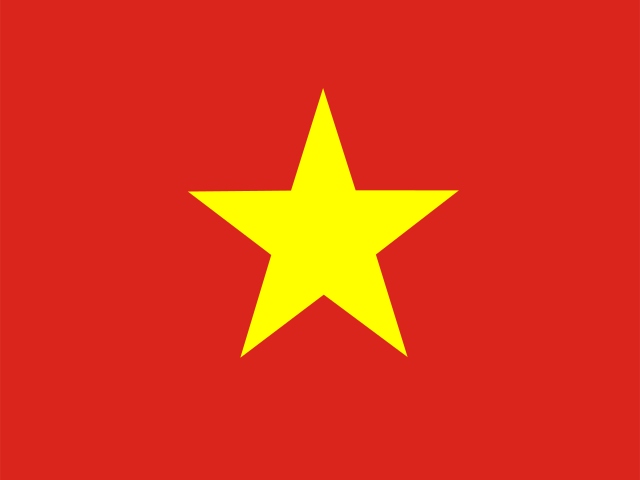
Vietnamese
Power of the People's War
Infantry 10% cheaper, +1 farm per city, stronger attrition against invaders.
- Co Loa Crossbowman Vietnamese crossbowmen, deadly at long range.
- Guerrilla Fighter Guerrillas who know every trail.
War on land
Soldiers fight as their age fought
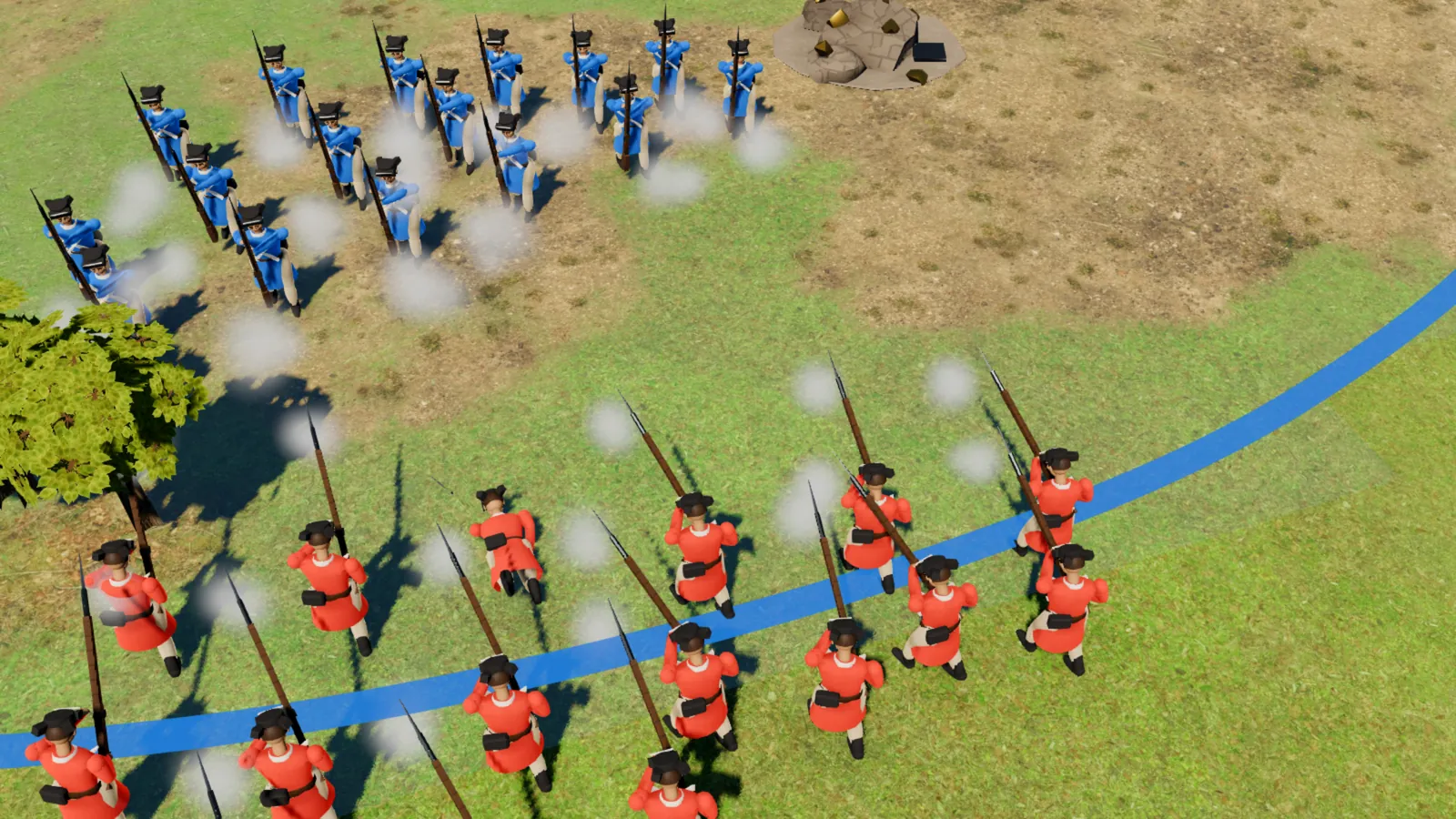
- Volleys. Musketeers and early riflemen stand in line and fire together on their officer’s word. Muskets close to half their range first, load slowly and hit hard. Archers and crossbowmen loose by volleys too.
- The bayonet. From the Enlightenment, line infantry fixes bayonets and charges enemy shooters and guns after a few volleys, and fights with the bayonet when the enemy is upon it.
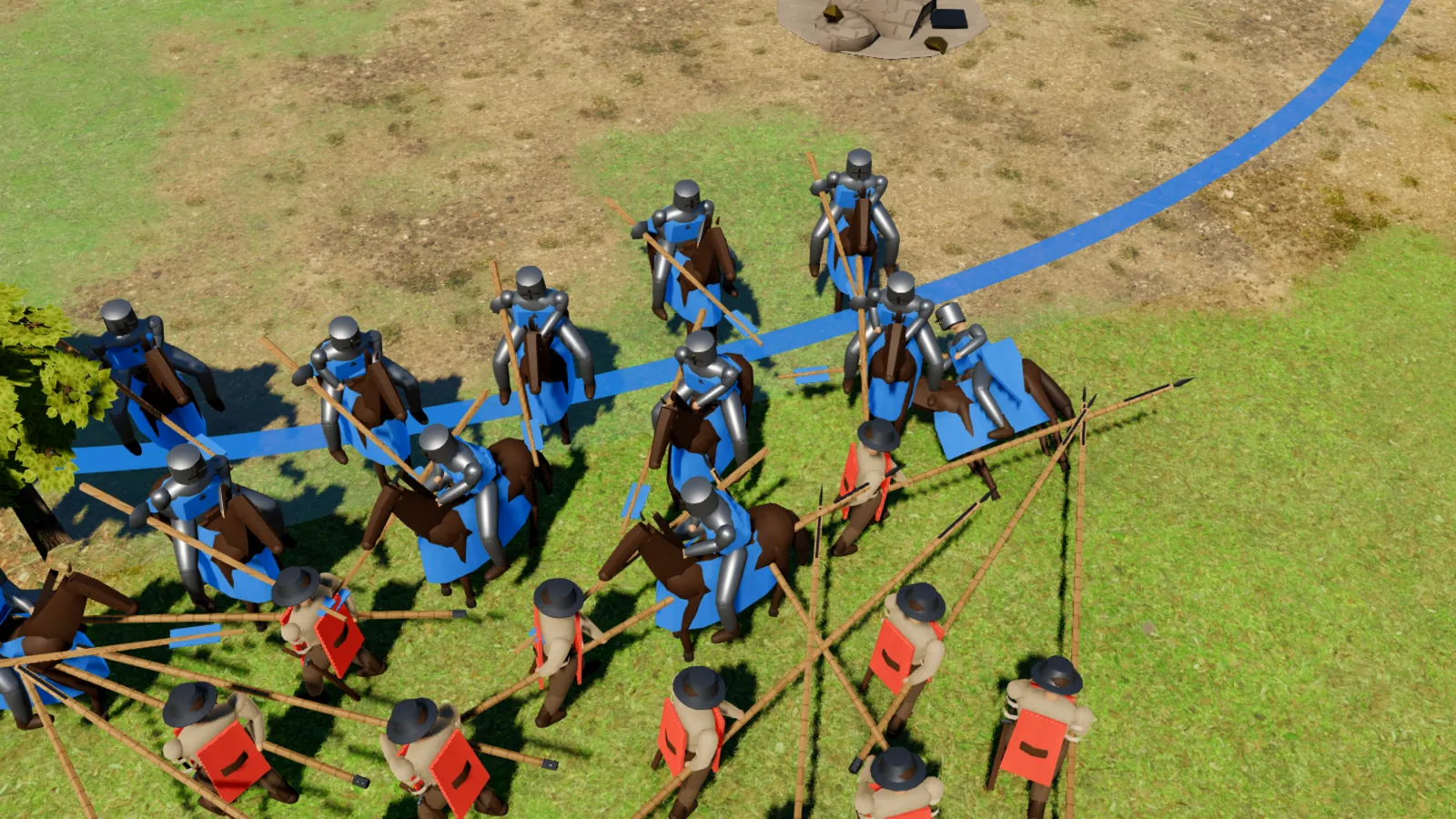
- Shield walls and pikes. Spearmen, pikemen and swordsmen in close order lock shields, and a hedge of spears or pikes takes the shock out of a cavalry charge.
- Cavalry charges. Horsemen gallop the last few tiles and strike their first blow with the weight of the horse, riding for shooters and guns first.
- Machine guns. A machine gun pins down what it hits: the target fires and moves more slowly for a moment.
- Generals and supply. Generals inspire the troops around them. Supply wagons heal your soldiers and protect them from attrition when they march into enemy land.
War at sea
Every age’s ships fight in their own way
- Galleys ram. Triremes, galleys and longships row in bow first at ramming speed, strike with the ram, then back water and fight on with their archers.
- Greek fire. The dromon turns its bow to the enemy, closes in and burns it with Greek fire.
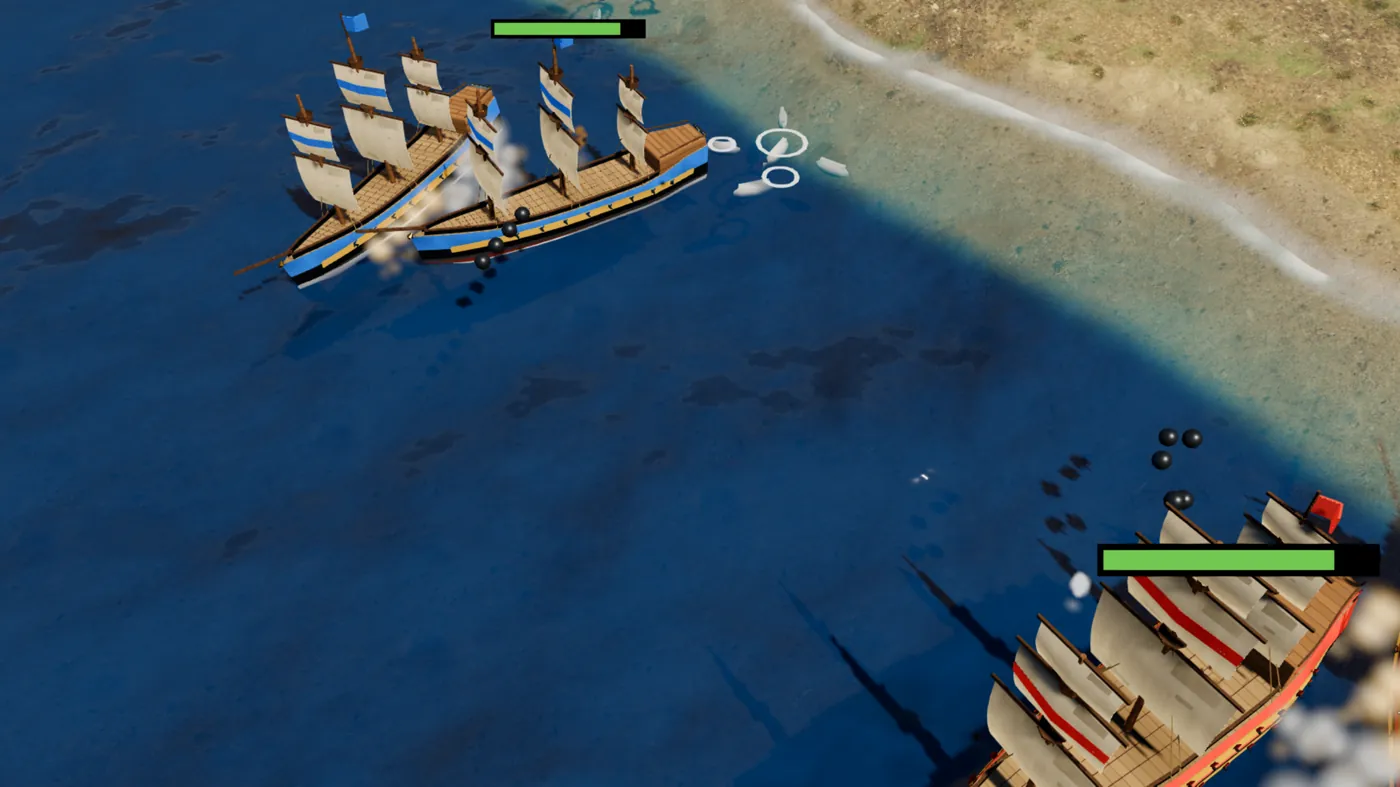
- Broadsides. Frigates and men-of-war turn their side to the enemy. The first broadside goes off together; then each gun fires as its crew reloads, in a ragged roll along the side, while the guns of the other side stay loaded for when the captain turns.
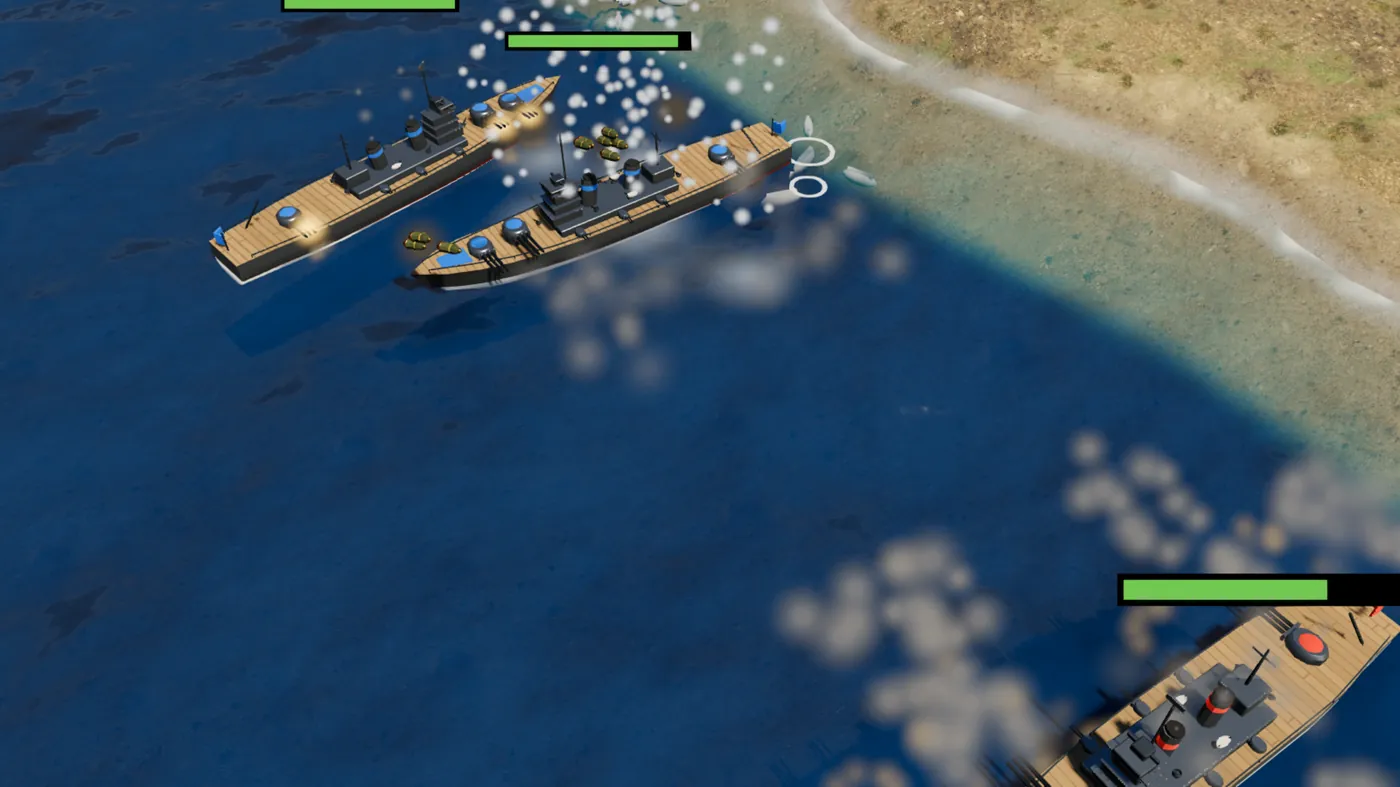
- Salvos. Dreadnoughts and battleships turn broadside on and fire their turrets in salvos. The first fall short or over in tall columns of water; then they straddle the target and hit.
- Torpedoes and depth charges. Submarines turn their bows to the target and fire spreads of torpedoes aimed ahead of a moving ship, so a ship that turns may be missed. Destroyers fire torpedoes at big ships, and drop depth charges over a submarine they have found.
- Missiles. Missile cruisers launch from vertical cells: up, over, then skimming the sea to the target.
Gunfire can miss, and misses splash harmlessly into the sea. A cannonball that hits a wooden ship throws splinters and leaves the hull holed and blackened; a shell that hits steel flashes and smokes. Fire ships are set alight and steered into the enemy, and aircraft carriers fight with their aircraft.
The late ages
Missiles and nuclear weapons
From the Modern Age a nation can build missile silos. Conventional missiles, the V2 rocket and later the cruise missile, blast the units and buildings where they land. Nuclear missiles, and later ICBMs that reach anywhere on the map, destroy everything for a long way around, friend and foe alike.
Every nuclear launch moves the Armageddon Clock closer to midnight. When it runs out, every nation loses. A nation that launches one also faces a market embargo. In the Information Age, missile interceptors can shoot incoming missiles down.
Rebellions
Keep your people with you
Your people have an approval of your rule, and every foreign people you hold has its own loyalty to you, which grows as they come round. Hunger, forced labour, war and harsh treatment wear them down. When they have had enough, they rise.
- Risings. An agitator wins followers. A movement that grows founds a hidden rebel camp, trains fighters, raids for arms and can seize a city.
- Hunting rebels. At first you hear only rumours of a camp. Scouts, spies and watchmen can find it, and informers report on it.
- Going public. A strong movement proclaims its cause to the world, makes deals and demands, and looks for nations to sponsor it.
- Breakaway nations. A successful rising becomes a nation of its own. Later it may join a neighbour that is like it in government, trade and faith, or return to its old nation.
- Stirring up rivals. Your merchants can spread discontent abroad; you can fund a rival’s dissidents, smuggle arms to its rebels, drop leaflets, build radio towers and run disinformation campaigns.
Rebellions can be set to On, Fierce or Off for each game.
Faiths
Faiths and state religions
At its temple a nation can adopt one of the faiths of its age: Judaism, Christianity, Islam, Hinduism, Buddhism, Sikhism, Shinto, Zoroastrianism, Confucianism and Taoism, the religions of ancient Egypt, Mesopotamia, Greece and Rome, India and China, the traditional faiths of many peoples, or, in the late ages, Secularism. Temples are drawn as each faith’s own houses of worship.
Nations of the same faith think better of one another. A nation can make its faith the state religion, which pleases its own people but can turn subject peoples of another faith against it. Changing faith is hard on a nation’s people.
Every faith is treated with the same respect: each gives one advantage of about equal worth, drawn from its real institutions, and no faith gives a bonus in battle.
Diplomacy and trade
Make friends, make deals, make enemies
- Offers. Propose peace or an alliance, sweetened with a gift or with something asked in return, or a plain trade, swap or demand.
- Trade pacts. Standing agreements to swap resources by caravan: each caravan that completes its trip delivers both sides’ parts.
- Trade routes. Caravans earn wealth between your markets and other cities; merchants work rare resources for wealth and national bonuses.
- Long memories. Nations remember what others have done to them. Computer players weigh it in everything they decide; the enemy of their enemy becomes a friend, and a conqueror may find the world banding together against it.
- Spies and smugglers. Spies bribe enemy units and plant informers; scouts and spies hunt the enemy’s agents; commandos snipe and sabotage.
Governments
The Senate and your form of government
From the Classical Age a nation can build a Senate; its city becomes the capital. There the nation chooses its government three times, each a choice between a totalitarian government, made for war, and a consensus one, for economy and science:
| Age | Totalitarian | Consensus |
|---|---|---|
| Classical | Despotism | Republic |
| Gunpowder | Monarchy | Democracy |
| Industrial | Socialism | Capitalism |
A nation keeps the bonuses of every government it has had. Each government brings a Patriot, a single leader who inspires the troops around him: the Despot, the Senator, the Monarch, the President, the Comrade or the CEO.
Players and maps
Up to 24 players on the Gigantic World
- Online multiplayer. Play against friends over the internet, with computer players in any free seats.
- Single player. Skirmishes against computer players at Easy, Moderate, Hard or Expert. Single player works offline.
- Up to 24 players, human or computer, in teams or every nation for itself.
- Six kinds of map: Continental, Lakes, Highlands, Mediterranean, Archipelago and the World. The largest size, Gigantic, makes the World 2160 × 1080 tiles.
- Your rules. Choose the starting age, resources, how they deplete, rebellions, visibility, and whether nations start at peace or at war.
- Ways to win: conquest, territory (70% of the land), wonders, capital siege, or sudden death when a capital falls.